

Prostate cancer clinical trial and targeted treatment preserve quality of life for Northwest Indiana man
John Balogh has resumed his favorite routine: long walks with his wife along the shores of Lake Michigan.
Earlier this year, he was treated for prostate cancer at the University of Chicago Medicine Comprehensive Cancer Center, enrolling in a clinical trial that offered personalized radiation therapy.
The study, called LO-RADS, was developed by UChicago Medicine experts to determine whether focusing higher doses of radiation directly at the cancer within the prostate — while lowering the dose to healthy prostate tissue — can cure the disease with fewer side effects affecting urinary, bowel and sexual health.
The ultimate goal: maintain cure rates while preserving patients’ quality of life.
Reducing prostate cancer side effects
Traditionally, prostate cancer treatment involves removing or radiating the entire prostate gland. But advances in imaging such as magnetic resonance imaging (MRI) and PSMA positron emission tomography (PET) now allow radiation plans to focus on the exact location of cancer within the prostate.
“These imaging techniques allow us to see the disease more clearly,” said Stanley Liauw, MD, a UChicago Medicine radiation oncologist and principal investigator for the LO-RADS trial. “The goal of radiation in any cancer is to treat the disease effectively while preserving quality of life as best as possible. I think this study is a step in that direction.”
Because the prostate is close to the bladder, rectum and nerves that control urinary and sexual function, treatment can sometimes cause side effects such as urinary urgency, bowel changes or sexual dysfunction. By refining how radiation is delivered, the LO-RADS team hopes to reduce these risks.
The targeted approach is similar to focal therapy treatments for prostate cancer, which use sound waves, electrical pulses or other tools to attack tumors while minimizing or eliminating side effects.
Highly customized cancer treatment
Balogh, now 76, was a strong candidate for the trial.
After several years of active surveillance, his prostate-specific antigen (PSA) levels — measured via blood test to help diagnose a person’s risk of prostate cancer — and biopsy results showed changes suggesting the cancer had progressed but remained localized.
When given the option to join a clinical trial, he didn’t hesitate.
“I said: ‘I’m in,’” Balogh recalled. “I wanted to do something that might help me — and maybe help somebody else down the line.”
His treatment spanned 20 sessions of radiation across four weeks. To ensure precision, the radiation team created a customized mold of his lower body to keep him in the exact same position each day. Three tiny gold markers were also placed in his prostate to help guide the treatment.
Cancer-free and active again
Other than a brief episode of constipation, Balogh experienced no complications. Following treatment, his PSA levels returned to normal, and his follow-up biopsy showed no signs of cancer.
Quality of life remains pivotal to Balogh. He continues to stay active with volunteer efforts and travel, including a 50th wedding anniversary dream trip last year with his wife and their four children to Tuscany, Italy.
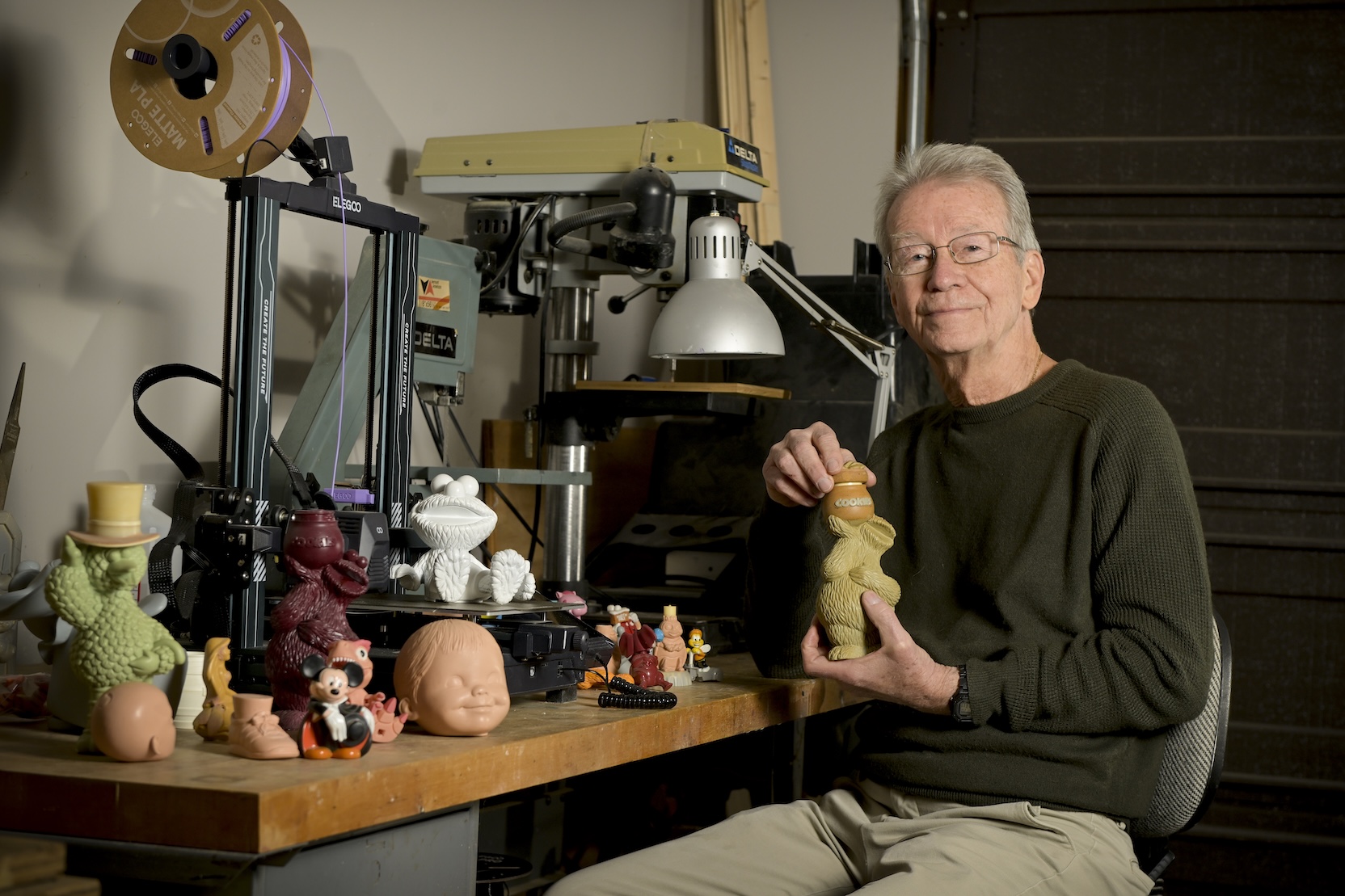
“I have other health issues, but as far as my prostate goes, I’m good,” said Balogh, a retired toy designer who lives in Gary, Indiana. “I’m really happy this trial was available, and I was excited to be part of it.”
Legal Disclaimer:
EIN Presswire provides this news content "as is" without warranty of any kind. We do not accept any responsibility or liability for the accuracy, content, images, videos, licenses, completeness, legality, or reliability of the information contained in this article. If you have any complaints or copyright issues related to this article, kindly contact the author above.
